
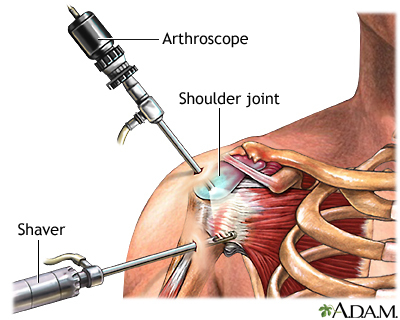
Living in the 21st century brings with it a plethora of incredible changes in the field of health, medicine, and wellbeing. We are, on average, living longer, with a greater quality of life than in previous centuries. Imaging and investigative procedures can now seemingly diagnose almost every possible bodily affliction, and are widely accessible. Surgical procedures that were once considered high risk—cardiac, orthopaedic, or otherwise—are now performed with far greater safety and predictability.
It does, at first glance, feel like progress without compromise.
And yet…
“It’s just keyhole surgery” is a phrase we hear regularly in our physio clinics. Surgery, once approached with caution and gravity, has become increasingly normalised through mainstream media, pop culture, and professional sport. With that shift has come a subtle change in mindset—one that perhaps underestimates the significance of these interventions.
Take knee surgery as an example. In the past, damage to the shock-absorbing menisci or wearing of the cartilage surface of the knee often meant one simply had to grin and bear it. When surgical options did emerge, they frequently involved removing the entire meniscus. Imagine taking the shocks out of one side of a car and consider how that would affect the safety of your drive. Likewise consider the impact on joint alignment. What often followed was rapid joint degeneration, osteoarthritis, and, eventually, knee replacement surgery.
Modern surgical techniques aim to strike a balance—intervening where needed, while preserving as much normal anatomy as possible. The meniscus is now carefully trimmed, or increasingly repaired, offering much better long-term outcomes.
And yet, one thing has not changed.
The body still heals in its own time.
An intervention performed through small keyholes may appear minor externally, but internally, the same structures must recover. And while a structural issue may be addressed, the functional consequences—reduced range of motion, strength, balance, and coordination—still require time, effort, and deliberate rehabilitation to restore.
This is often where expectation and reality part ways. It is not uncommon to see people anticipating a return to full activity within weeks, when the process is, in truth, far more gradual.
Using a simple knee arthroscopic meniscus surgery as an example, recovery tends to unfold over months rather than weeks:
- Weeks 1–6: Settling swelling, restoring movement, and reactivating muscle function.
- Weeks 6–12: Building strength in controlled, straight-line movements.
- Weeks 12–18: Progressing to single-leg strength, hopping, and running.
- Weeks 18–26: Reintroducing agility, speed, and sport-specific demands.
- Weeks 26–52: Gradual return to full activity, guided by testing and tolerance.
These timeframes are, of course, only a guide. But they point to a broader truth—recovery is not a moment, but a continuum.
For this reason, I often suggest thinking of surgical recovery as a year-long process. Not because limitations persist for that entire time, but because meaningful improvements continue well beyond the early stages.
And perhaps one final thought to leave with you…
An increasing number of conditions—including some meniscal injuries—have been shown to recover just as well without surgery. When range of motion, strength, balance, and function are restored, the need for intervention can, at times, disappear altogether.
A reminder, perhaps, that even in an age of remarkable medical advancement, not every solution needs to be surgical. More on that in my next column perhaps…
Nb. Written as Health columnist for the Hibiscus Matters.