
Health, be it physical, mental, emotional or spiritual is never in a static state. All of these cornerstones of wellbeing are constantly shifting up or down. In business it will often be stated that there is never any standing still…only moving forwards, or falling backwards. These constant adjustments, especially when coupled with intent – require goal setting on a micro and macro scale. In healthcare we frequently help break down these goals and work alongside our clients to achieve recovery. In this process comes forth the two Japanese concepts of Shoshin, and Kaizen.
Shoshin is roughly translated as “the beginners mind”. Originally stemming from the ancient traditions of Zen Buddhism; it encourages an openness of mind. A willingness to learn. The ability to fail, repeatedly…but to still take a positive learning from each failure. Even when someone has scaled the highest peaks of achievement and become a true master or expert, they too must seek to maintain a mindset of shoshin. In the world of martial arts, this learner’s mindset is the goal no matter what grade or level has been achieved. It is a way of being, not a way of doing. A humility that goes along with the inner peace acknowledging that the more I know, the more I realize that I don’t know.
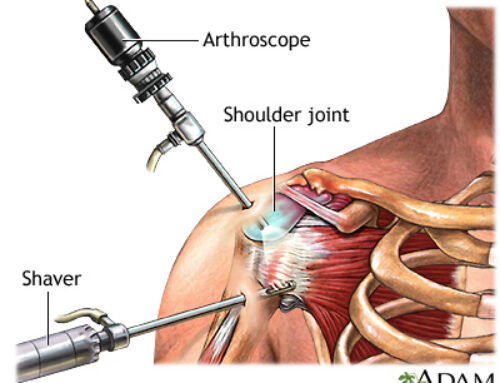
With this adopted and embraced mindset, step forward the concept of Kaizen. This is understood to represent the small series of steps required to achieve a bigger goal. To eat an elephant, it takes one bite at a time. An overnight success that took decades to achieve. In a rehab setting, the idea of getting back to sport after a ruptured ACL injury or dislocated shoulder can be simply too overwhelming. Barely able to stand on one leg or lift the arm above the horizontal – the thought of getting back into the arena in a game of rugby, football or netball is unfathomable. So comes the approach of Kaizen. It could begin with walking without crutches, to then performing a body weight squat. This would progress to being able to leg press a heavy load, to then doing a box jump. Jumping leads to running, which leads to sprinting, then to change of direction retraining. Pretty soon we are guiding an athlete back to unrestricted training with teammates, then finally to the competition arena.
Outside the world of physiotherapy, I believe these two mindsets can be applied in almost all areas of life. Work, relationships, a new skill, academic pursuits and more. However, these mindsets require patience. It is often said that good things take time. Less often is it acknowledged that any such “good thing” worth striving for will be bloody hard work. There are no shortcuts. There are no hacks. This goes against the superficial need for instant gratification that infects our society today. It also goes against the complacency of wallowing in one’s comfort zone. Or against the notion that once expertise is achieved (if that’s even possible), then surely, we can just sit back and relax.
I refuse to concede to this mindset. This week adopt the mindset of Shoshin and Kaizen. As per a recent podcast speaker…. “don’t let comfort be your coffin”.
Nb. Written as Health columnist for the Hibiscus Matters.