
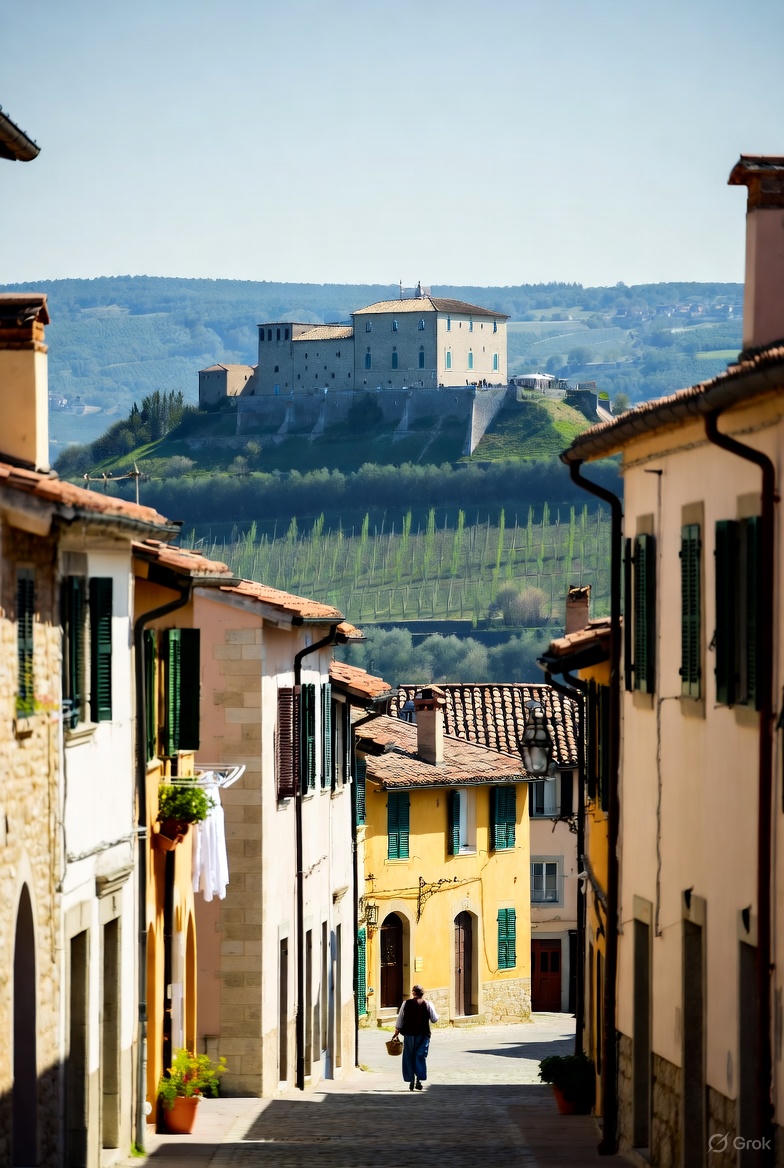
The concept of longevity, aging and healthy living has been an interest of mine for a long time. Research that has gone into the so-called Blue Zones has frequently popped up on newsfeeds or in books that I read. A number of studies have been conducted on these fascinating parts of the world with the highest concentration of centenarians – adults who live past 100yrs old. This is however only part of the story. It is not simply the lifespan in years but the quality of life that is uniquely different.
So where are some of these Blue Zones?
- Okinawa, Japan
- Sardinia, Italy
- Nicoya, Costa Rica
- Ikaria, Greece
These small pockets of our global society are far less afflicted by lifestyle disease, metabolic disease and other ailments that seem to particularly affect the Western world. So, what can we learn from these blue zones and how might some of these lessons integrate into the kiwi lifestyle?
- Physical exercise. This is likely the biggest factor with people living in blue zones engaging in daily physical activity from long walks to manual labour, well into their senior years. Anecdotally it was even reported that the further down the hill one lived, the longer the lifespan as they had to walk a greater distance on their daily walk to the village centre! Simple walking as part of your lifestyle – to the shops, to get milk from the petrol station or down to a coffee shop to meet a friend is a great start!
- Two concepts seem apparent in the Blue Zones, the first being only eating until you feel 80% satisfied. We now live in a time when over-eating related lifestyle disease causes more death globally than malnutrition or famine. The second concept is that Blue Zone diets are largely plant or whole-foods. Make sure to integrate a wide range of seasonal vegetables and fruit into your diet.
- Social connection and mental wellbeing. It is well known that maintaining a social circle is crucial to both longevity and quality of life. In the likes of Okinawa or Sardinia; family connection is very strong with multi-generation living remaining common. However social connection is also through exercise, games and activities, or just getting to know the local shop owners! Try a new activity like bowls, bridge or a community group formed around a hobby or common interest. It will be surprising to you how amazing it feels to create that human connection.
One final message – it is widely accepted in the literature that genetic predisposition only accounts for between 10-20% of aging, longevity and quality of life. In other words – we can’t really blame our parents! Instead, this means that our decisions and actions contribute up to 90% of the impact of aging. Making small lifestyle changes now can have a huge impact not just on lifespan, but more importantly on quality of life and maintaining independence.
Nb. Written as Health columnist for the Hibiscus Matters.


